WHAT IF WOMEN IN SCIENCE FINALLY TAKEN POWER?
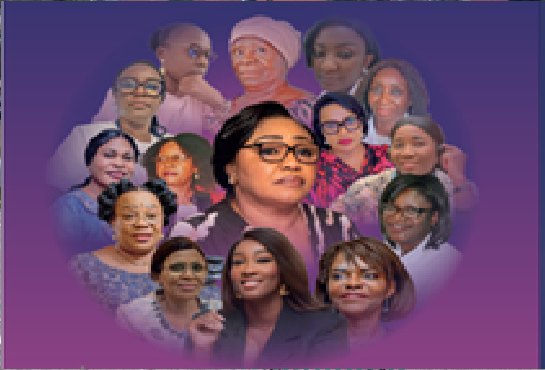
What if
it ceased to be a space of power struggles and became a place for decisions
based on evidence, ethics and the long term? In a world shaken by pandemics,
climate crises, malnutrition, and inequalities in access to care, one thing is
clear: women in science are no longer an option, they are an emergency.
What if
power finally changed hands... and methods?
They are there all over the world. In laboratories,
hospitals, universities, NGOs, crisis zones. They observe, measure, document,
treat, and raise the alarm. They possess the knowledge. Yet, when it comes to
deciding, signing, and guiding public health policies, their voices are too
often relegated to the background.
The paradox is striking: while women make up a major
part of the health and biomedical research workforce, they remain
underrepresented in the bodies of power where health priorities, budgets, and
national and international strategies are decided.
If women
scientists finally took power, what would actually change?
Probably
a lot.
Health would no longer be conceived according to a
single model, but in all its biological, social, and cultural diversity.
Women's health issues, long neglected, would cease to be invisible. Maternal,
mental, reproductive, and environmental health would become central, not
peripheral. Prevention policies would take precedence over simply managing
emergencies. Healthcare would no longer be seen as a cost, but as a strategic investment.
Women scientists have this particular
characteristic: they work over the long term. They know that life cannot be
governed by slogans, but by patience, rigor, and humility. Where some promise
miracles, they formulate hypotheses. Where others improvise, they test,
evaluate, and refine.
This is not about pitting
women against men, but about recognizing a reality that has been ignored for
too long: power in healthcare requires skills, not posturing. And these skills
already exist, in large quantities, among the women we consult… without giving
them the keys.
Health would no longer be conceived from a single
model, but in all its biological, social and cultural diversity.
Empowering women in science
is not a symbolic or activist gesture. It is accepting that, faced with the
health challenges of the 21st century, ignorance is more costly than equality.
It is understanding that science without power is powerless, and that power
without science is dangerous.
The
question is therefore no longer whether women in science should have access to
power.
The real
question is: what are we still waiting for, when the health of the world is at
stake?
No comments for the moment